
For years, protective footwear meant heavy, boxy boots that felt like a punishment by the end of a long shift. That has changed. Today, steel toe cap trainers sit somewhere between a sports shoe and a piece of safety equipment, and plenty of people now wear them far beyond the building site. Couriers, warehouse staff, mechanics, makers and even commuters who simply want sturdy shoes for wet city streets are choosing them. This guide explains what to look for, how to read the safety labels, and how to wear a pair so they look deliberate rather than industrial.
What Are Steel Toe Cap Trainers?
Steel toe cap trainers are lace-up, sports-style shoes with a reinforced section built into the toe box. The cap protects your toes from falling objects and crushing weight, which is why this kind of footwear is common in logistics, the trades and workshops. Unlike a traditional work boot, the upper is usually made from lightweight mesh, microfibre or knitted fabric, and the midsole is cushioned in much the same way as a running shoe.
Here is a detail many shoppers miss: the word “steel” is partly historic. A lot of modern pairs use a composite cap made from fibreglass, carbon fibre or plastic instead of metal. Composite caps are lighter, do not transfer cold or heat as readily, and are less likely to set off a metal detector. Steel still gives the slimmest profile and is often the cheaper option, so neither material is automatically better. It depends on where and how you wear them.
Why They Have Become So Popular
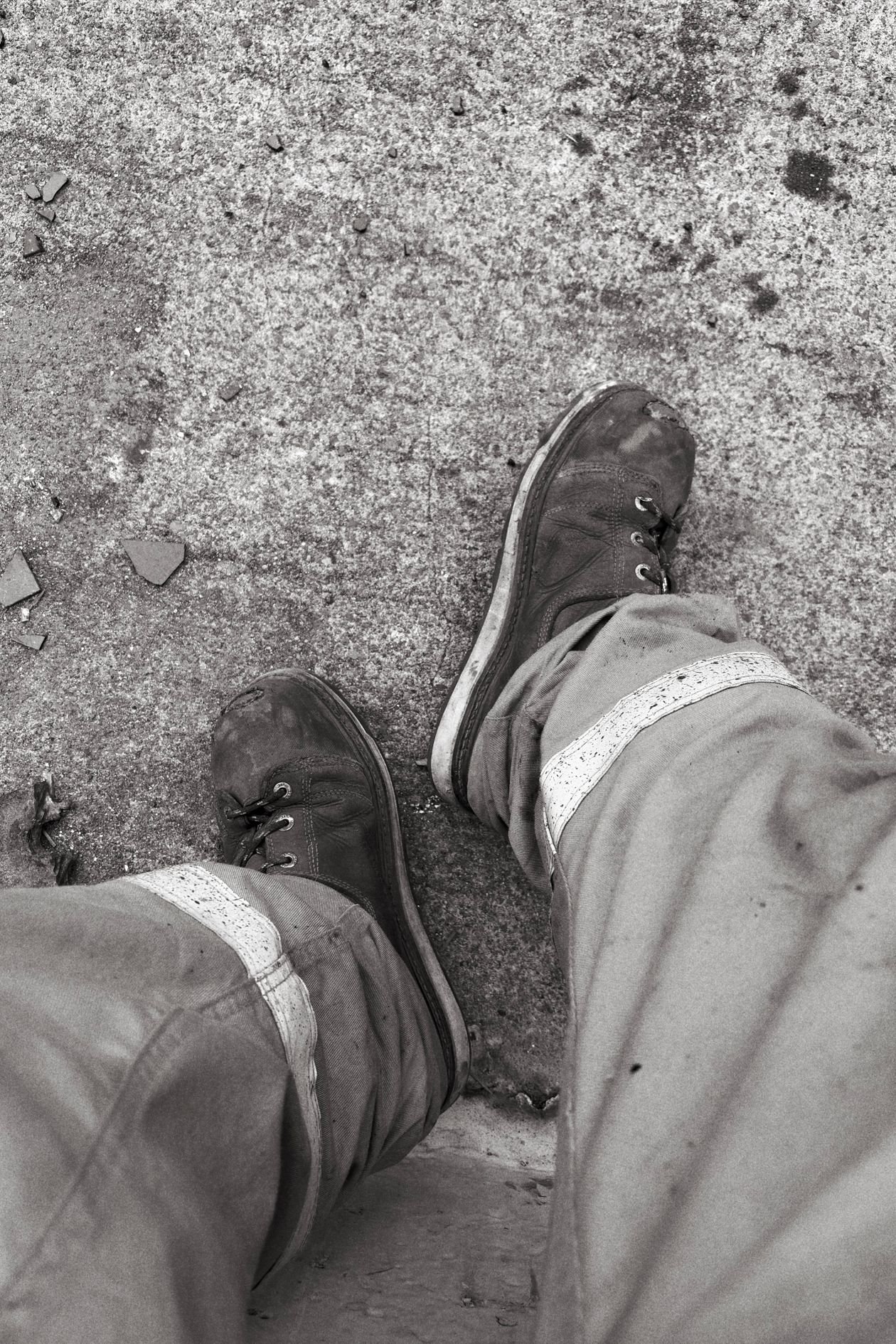
Comfort is the main reason. A traditional safety boot can feel noticeably heavy after hours of walking, while a good trainer-style model flexes naturally with your foot. That matters when you are standing or moving for eight to twelve hours at a time. Breathability is another advantage, because mesh panels let heat escape in warm workplaces and keep your feet from overheating.
Then there is appearance. Muted colourways, slim soles and clean silhouettes mean the shoe does not shout “site gear” when you head out afterwards. Brands have noticed that people want one pair that handles the working day and the walk home, and the choice on offer has widened accordingly.
Understanding Safety Ratings Before You Buy
Style should never come before protection. In the UK and Europe, safety footwear is tested against the EN ISO 20345 standard, and the label inside the shoe tells you what it offers. The toe cap in a compliant pair is tested to resist a 200 joule impact, roughly the force of a 20 kilogram weight dropped from about one metre. The most common codes are:
- SB: the basic standard, which covers the protective toe cap.
- S1: adds a closed heel area, anti-static properties and energy absorption in the heel.
- S1P: everything in S1 plus a penetration-resistant midsole, useful where nails or sharp debris may be on the floor.
- S3: adds water resistance and a cleated outsole to S1P, which suits outdoor and wet conditions.
Always check that the pair you choose is clearly marked with the standard and the rating. A shoe that only looks like a safety trainer, without the stamped label, will not protect you the way you expect. If your employer specifies a rating, confirm it before you spend any money.
How to Choose the Right Pair
Get the fit right first
Try shoes on in the afternoon, when your feet are slightly swollen, and wear the socks you normally use. You should be able to wiggle your toes without the cap pressing on them, with roughly a thumb’s width of space ahead of your longest toe. If a shoe pinches in the shop, it will feel far worse by the end of a shift.
Match the sole to your surface
A deep, flexible tread suits wet floors and uneven ground, while a flatter sole is often better on smooth warehouse concrete. Look for slip-resistance markings and think honestly about where you spend most of your time.
Think about materials and weather
Mesh uppers are excellent for warm, dry indoor work. Leather or coated microfibre handles splashes and light rain better and is easier to wipe clean. Waterproof membranes help, but they can run warmer, so choose according to your climate and your tasks.
Check cushioning and insoles
Removable insoles let you swap in your own orthotics or a more supportive option. Good heel cushioning protects your joints over a long day, and it is usually worth paying a little extra for it. Price is not everything, though, so read honest reviews from people in a similar job to yours.
How to Style Steel Toe Cap Trainers
The trick is to treat them like any other chunky trainer. Pair black or grey models with straight-leg jeans, tapered chinos or utility trousers and let the shoe do the talking. Keep the rest of the outfit simple: a plain tee, an overshirt or a crew-neck knit. Avoid cropped trousers that bunch awkwardly over a bulky toe; a slight break or a clean cuff works much better.
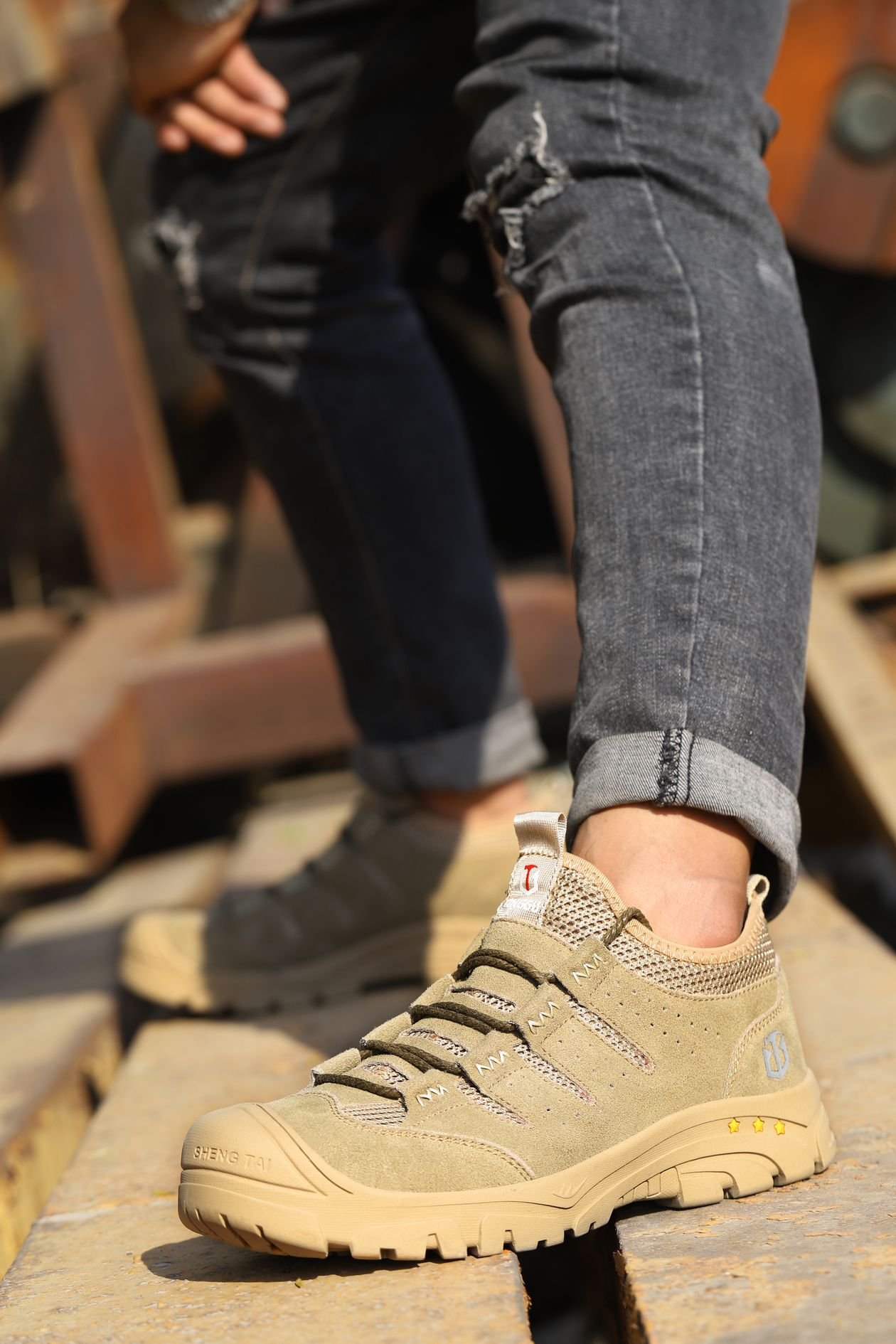
Neutral colours are the safest route if you want one pair to do everything. Black, charcoal, stone and navy go with almost any wardrobe, and they hide scuffs well. If you prefer something bolder, a single accent colour on the laces or sole is plenty. For women, steel toe cap trainers also work with wide-leg trousers, cargo pants, or a midi skirt and a fitted jacket, a mix of practical and polished that suits street style.
Care Tips That Make Them Last
Brush off dirt after each wear and wipe the upper with a damp cloth. Let the shoes air dry naturally, away from radiators and direct heat, because high temperatures can weaken adhesives and warp the sole. Rotate between two pairs if you wear them daily, which gives the cushioning time to recover. Replace the insoles when they flatten out.
Most importantly, inspect the toe cap regularly. If it has taken a heavy hit or shows a dent, replace the pair, because the protection may be compromised even when the shoe still looks fine.
Common Mistakes to Avoid
- Buying on looks alone. Always confirm the safety rating before you consider colour.
- Choosing a size that is too small. Pressure on the toes is both painful and a sign the cap is not sitting correctly.
- Wearing them until the sole is smooth. Worn tread is a slip risk, no matter how good the upper still looks.
- Ignoring the cap material. Steel can feel cold in freezing conditions, so a composite cap may suit outdoor work better.
Another common error is treating steel toe cap trainers as a one-pair solution for every job. A pair built for dry warehouse floors will not behave the same way on a wet construction site.
Are They Worth It?
For anyone who spends long hours standing, walking or working around heavy objects, the answer is usually yes. The right steel toe cap trainers give you serious protection without the fatigue of heavy boots, and today’s styles mean you do not have to dress down the rest of your wardrobe. Start with the safety rating, get the fit right, then choose the colour you will actually enjoy wearing.
Frequently Asked Questions
Can I wear steel toe cap trainers every day?
Yes, as long as they fit well and you replace them when the soles wear down. Many people wear them for work and then straight out for the evening.
Do steel toe cap trainers set off metal detectors?
Pairs with a steel cap often will, while composite caps are less likely to. If you regularly enter secure buildings or travel, a composite model can save you time.
How long do they last?
With daily use, expect anything from six months to two years, depending on the surface, the build quality and how well you look after them. Replace them sooner if the sole is smooth, the midsole feels collapsed or the cap is damaged.
Take your time comparing options, read the labels and try before you buy. The best steel toe cap trainers are the ones you forget you are wearing, right up to the moment they protect you.