Walk into any high street, scroll through any shopping app, or open a fashion magazine, and one thing becomes obvious: there are more clothing brands than ever before. Luxury houses, high street favourites, independent labels, sustainable start-ups and streetwear drops all compete for the same wardrobe space. Choice should make shopping easier, but for many people it makes it harder. How do you know which brands are worth your money, which ones fit your life, and which ones simply look good in a photograph?
This guide cuts through the noise. It explains the main types of clothing brands, how to judge quality and fit before you buy, what really affects cost, and how to build a wardrobe around a small number of brands you genuinely trust, rather than a cupboard full of impulse purchases you never wear.
What Do We Mean by Clothing Brands?
A clothing brand is more than a logo on a label. It is a promise about style, fit, quality and values, repeated across every collection. Some brands are known for sharp tailoring, others for relaxed everyday basics, others for bold prints or technical fabrics. When a brand is consistent, you learn what to expect: how its sizes run, how its fabrics feel after washing, and whether its clothes last a season or several years.
That consistency is why loyal shoppers return to the same names again and again. It removes guesswork. If you know a particular brand cuts its trousers long, or that its knitwear runs generous, you can shop with confidence, especially online, where you cannot try things on first.
Brands also carry identity. The clothes we wear signal something about taste, lifestyle and mood, whether we intend it or not. Choosing a brand is therefore partly practical and partly personal. The best wardrobe is one where both sides are satisfied: the clothes work for your daily life and they feel like you.
The Main Types of Clothing Brands
Most clothing brands fall into a few broad groups, and understanding them helps you shop with purpose rather than wandering from store to store.
Luxury and designer brands focus on premium fabrics, detailed construction and distinctive design. Their pieces are often made in smaller runs, with more hand finishing and stricter quality control. They tend to suit occasion wear, investment pieces and shoppers who would rather own fewer, longer-lasting items.
High street brands bring current trends to a wide audience quickly and accessibly. They are the backbone of most everyday wardrobes, offering everything from workwear to weekend casuals, often with frequent new collections that track the season closely.
Fast fashion brands move even faster, turning runway and social media trends into affordable pieces within weeks. They are useful for trying a trend without commitment, but the trade-off is often thinner fabric and shorter garment life, so they suit experimental pieces rather than wardrobe staples.
Sustainable and ethical brands prioritise responsible materials, fair production and transparency about their supply chains. They may offer smaller collections and simpler designs, but they appeal to shoppers who want their purchases to reflect their values as well as their taste.
Streetwear and sportswear brands blend comfort, performance and culture. Born from skate, hip-hop and athletic influences, they now shape mainstream fashion, from trainers and hoodies to relaxed tailoring with a sporty edge.
Independent and boutique labels are often the most distinctive of all. With smaller audiences and closer control over design, they can take risks that larger brands cannot, which makes them a rich source of unique prints, unusual cuts and limited pieces.
How Trends and Brand Identity Work Together
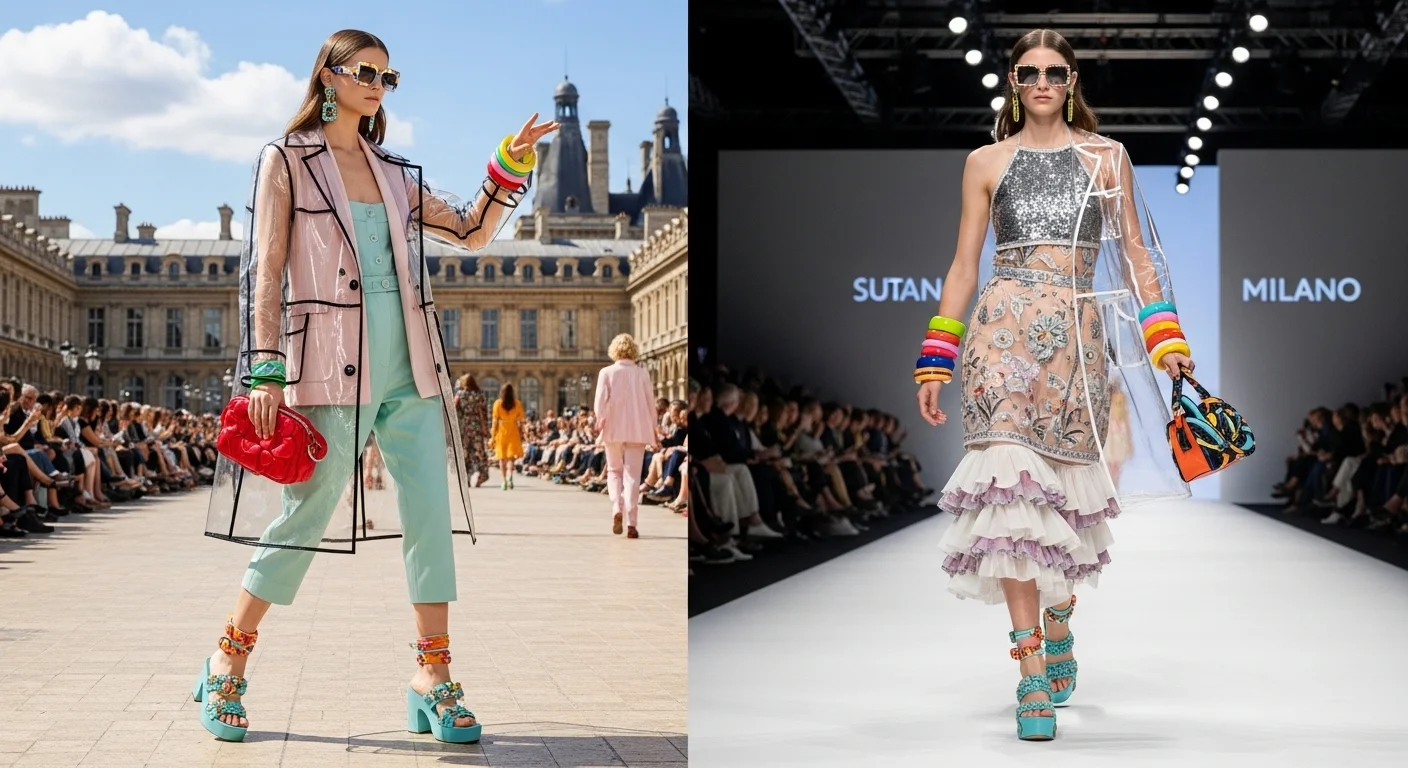
Trends come and go, but brand identity endures. A good brand interprets a trend in its own language rather than copying it wholesale. One label might do a summer trend in soft pastels and flowing fabrics, while another does the same trend in bold colour and sharp tailoring. That is why two people can follow the same seasonal trend and still look completely different.
Before buying into a trend, ask whether it fits the brands you already like and the clothes you already own. A trend that works with your existing wardrobe is a smart buy. A trend that needs an entirely new set of clothes, shoes and accessories to make sense is probably a passing fancy. Our guide to the top tier fashion trends for summer 2025 is a useful check here, because it shows how seasonal ideas play out in real outfits rather than in isolation.
It also helps to separate trends from fads. A trend, such as relaxed tailoring or a return to natural fabrics, usually lasts several seasons and appears across many brands. A fad, such as a single novelty print or an extreme silhouette, often disappears within months. Spend on trends; sample fads cheaply or skip them entirely.
How to Judge Quality Before You Buy
You do not need a fashion degree to spot good quality. A few simple checks, in store or when a parcel arrives, will tell you most of what you need to know.
First, look at the fabric. Natural fibres such as cotton, wool, linen and silk generally breathe better and age more gracefully than cheap synthetics, although well-made blends can offer the best of both worlds, such as stretch for comfort or durability for everyday wear. Hold the fabric up to the light: very thin, see-through material in a garment that should be opaque is a warning sign.
Second, check the stitching. Seams should be straight, even and secure, with no loose threads or puckering. Turn a garment inside out if you can. Neat finishing inside usually means care was taken throughout production. Buttons should be firmly attached, zips should run smoothly, and linings should sit flat rather than bunching.
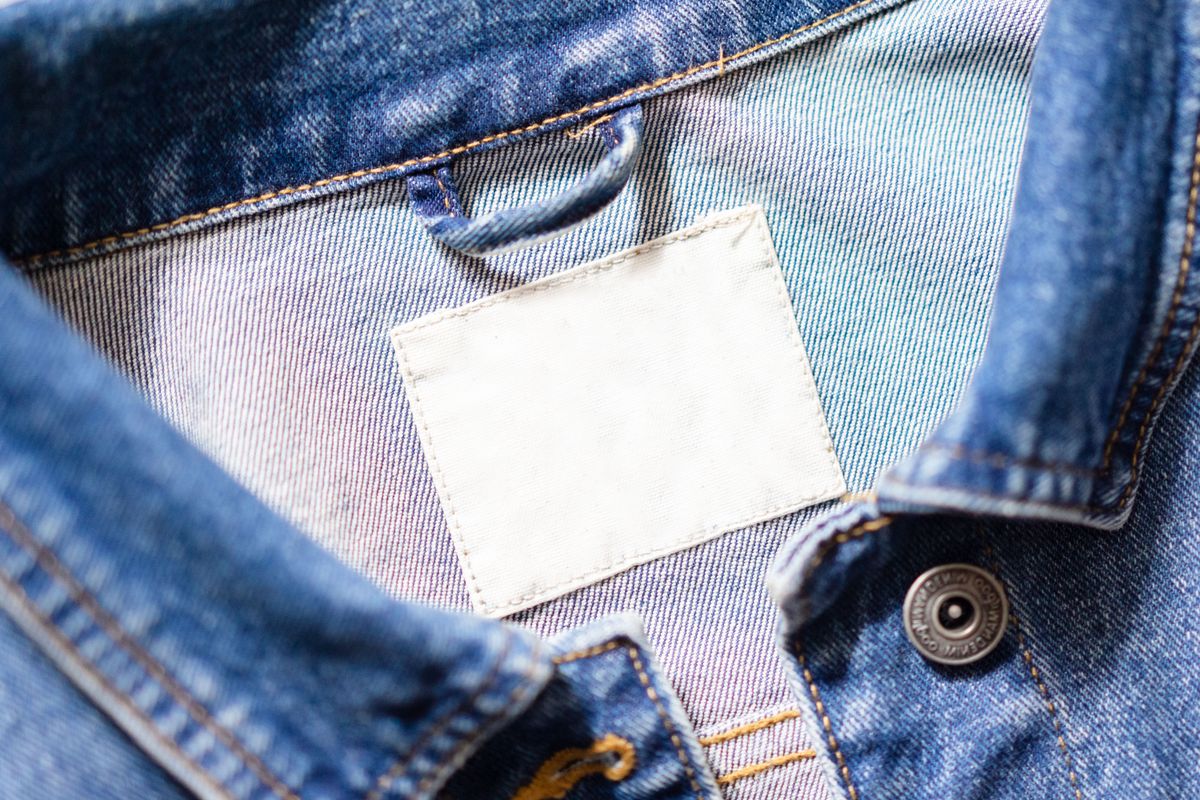
Third, read the care label. It tells you the fibre content and how the garment should be washed. A piece that demands dry cleaning for everyday wear may cost more in upkeep than you expect, while a machine-washable equivalent might serve you better day to day.
Finally, try the movement test. Sit down, raise your arms, walk a few steps. A well-cut garment moves with you without pulling, gaping or riding up. Fit is not about a number on a label; it is about how the garment behaves on your body in real life.
What Affects the Cost of Clothing Brands?
Shoppers often wonder why similar-looking items can sit in very different cost brackets. Several factors explain the gap, and none of them is simply the logo.
Fabric is usually the biggest factor. Premium natural fibres, densely woven cloth and specially finished materials cost more to produce and to source responsibly. Construction matters too: a jacket with a full lining, hand-finished seams and reinforced stress points takes longer to make than an unlined, simply stitched equivalent.
Scale also plays a role. Large brands can spread design and production costs across huge runs, which keeps individual garment costs lower. Small independent labels, making limited quantities, cannot achieve the same economies, so their prices reflect smaller batches and closer craftsmanship.
Ethical production and sustainability add cost as well. Fair wages, safer factories, certified materials and transparent auditing all require investment. For many shoppers, that investment is part of the value, not an extra charge. Location of manufacture, import duties and brand marketing also contribute, though they are less visible to the buyer.
The practical lesson is to judge cost against lifespan. A well-made coat worn for many winters can be better value than several cheaper coats replaced every year, even if the initial outlay is higher. Cost per wear, rather than the ticket alone, is the fairest way to compare brands.
Finding Brands That Fit Your Life
The right brands depend on your daily life, not on fashion headlines. Start by auditing how you actually spend your days. A wardrobe built for office work, school runs, outdoor weekends and formal occasions will look very different from one built mainly for creative studio work or travel.
Make a short list of your non-negotiables. They might include comfort for long days, machine-washable fabrics, modest cuts, petite or tall sizing, or clothes that transition from day to evening. Then look for brands that consistently meet those needs, rather than brands that simply look good on someone else.
Size inclusivity and fit range are worth checking early. Brands that offer extended sizes, tall and petite ranges, or detailed garment measurements online save you time and returns. Customer reviews, especially those with photos and notes on sizing, are also more useful than glossy campaign images.
Do not overlook occasion dressing. Festival style, for example, rewards brands that balance creativity with comfort, because you will be on your feet for hours in changing weather. Our guide to why we love festival fashion shows how expressive, personality-led choices can still be practical, which is a useful lens for judging any occasion brand.
Building a Wardrobe Around Brands You Trust
Once you have found a few brands that fit well and last well, building around them becomes much simpler. A small, trusted rotation beats a large, random collection every time.
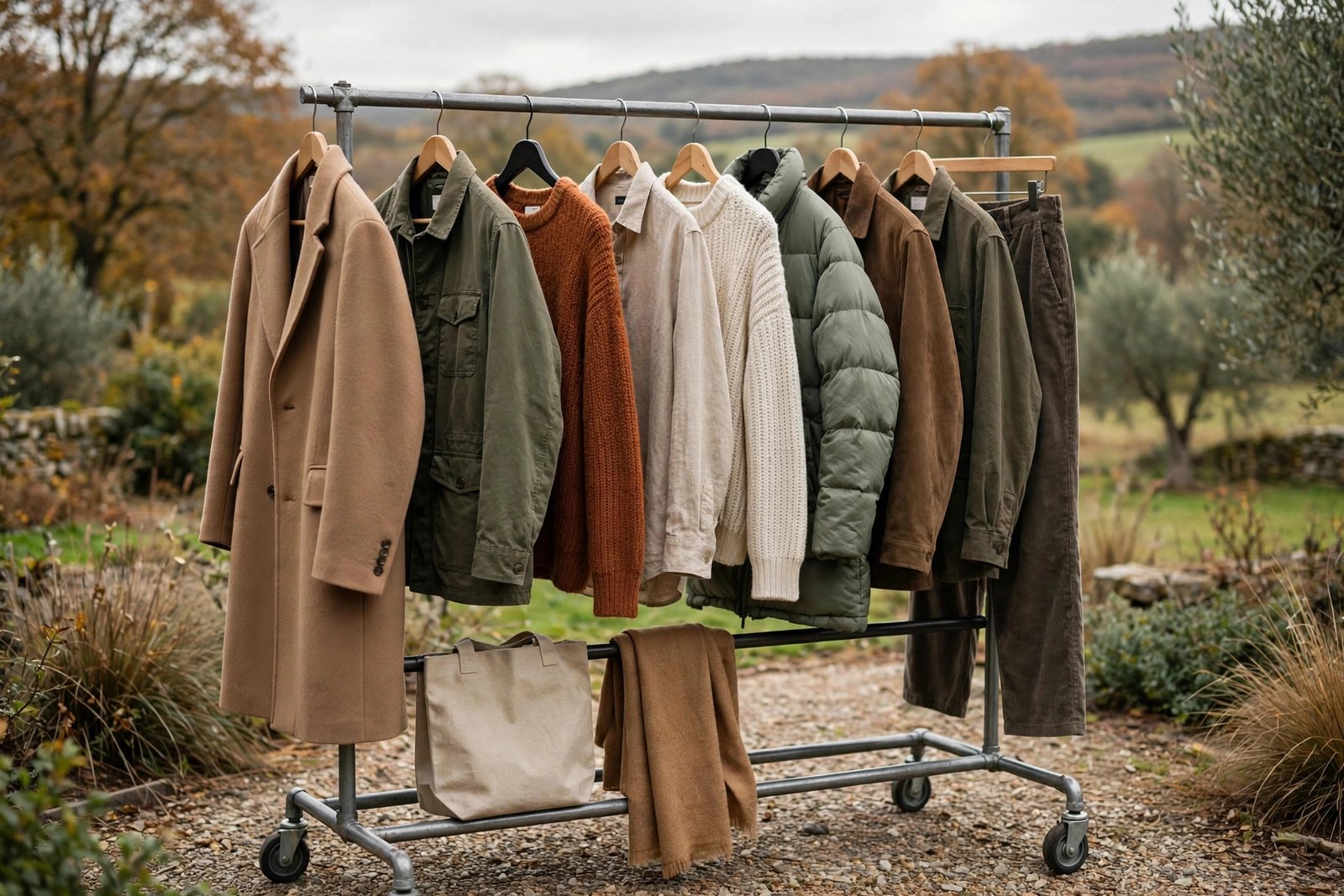
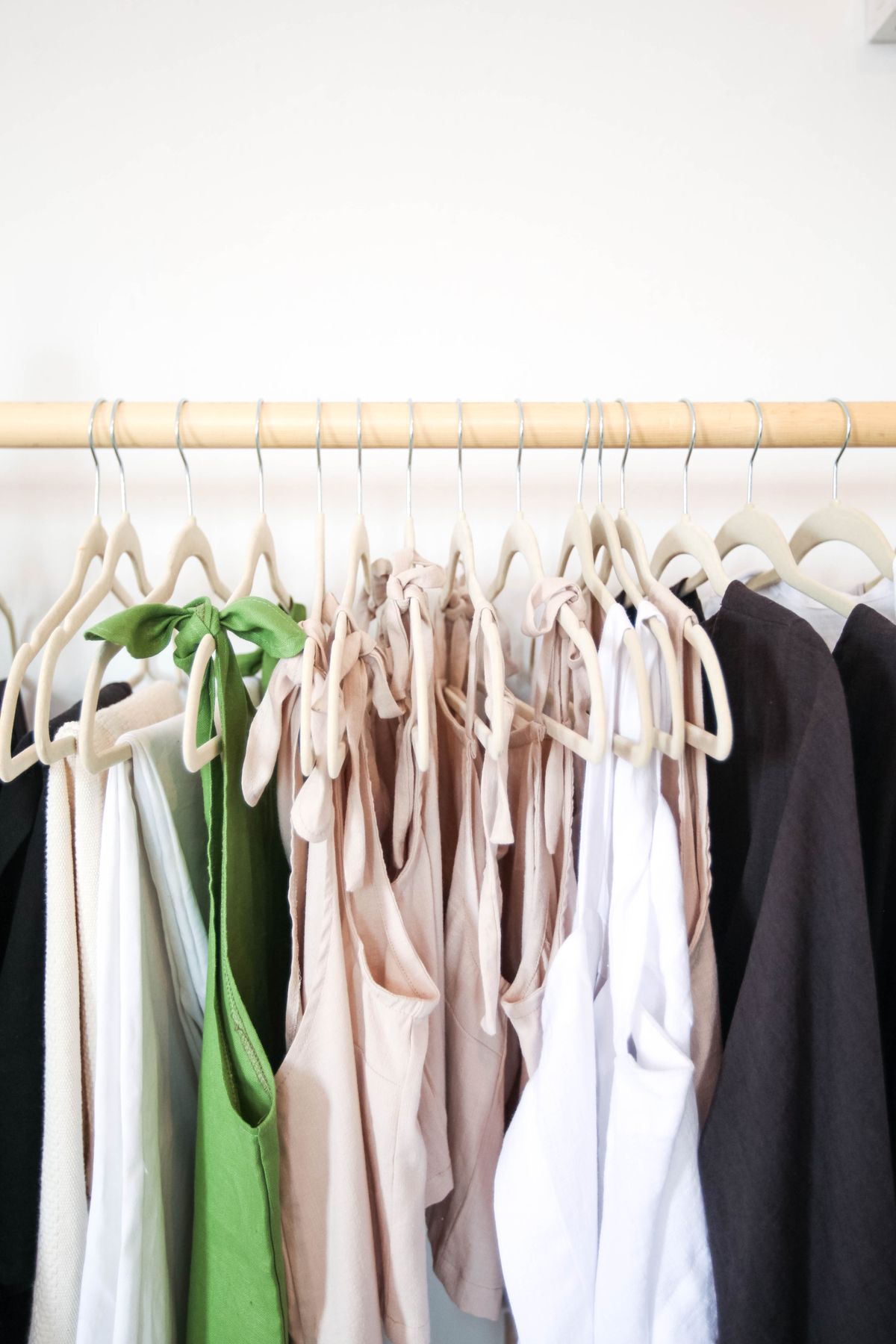
Start with foundations: well-fitting jeans or trousers, versatile tops, a reliable coat and comfortable shoes. Choose these from brands you already know fit you, in neutral colours that mix easily. Then add personality pieces: prints, statement jackets, occasion dresses or bold accessories from brands that inspire you.
Keep a simple note, on your phone or in a notebook, of brands and sizes that worked, and of those that did not. Over time this becomes a personal shopping guide that prevents repeat mistakes and speeds up online ordering.
Revisit your wardrobe each season. Repair what can be repaired, pass on what no longer fits your life, and replace only what is genuinely worn out or missing. This slower approach is kinder to your budget, your cupboard space and the environment, and it keeps your style coherent rather than trend-chasing.
Common Mistakes to Avoid
- Buying the logo, not the garment: A famous name does not guarantee fit, comfort or durability for your body and lifestyle.
- Chasing every trend: Trends that clash with your existing wardrobe usually end up unworn.
- Ignoring fabric and care: Beautiful clothes that are impractical to wash or wear daily rarely earn their place.
- Shopping without a list: Impulse buys multiply quickly; a short list of genuine gaps keeps spending focused.
- Judging by one bad item: A single disappointing piece does not condemn a brand, but repeated issues with fit or quality should.
Frequently Asked Questions
Are expensive clothing brands always better quality?
Not always. Higher cost often reflects better fabric and construction, but it can also reflect marketing, limited runs or import costs. Judge each garment by fabric, stitching, fit and care, not by its bracket alone.
How many clothing brands should I stick to?
There is no magic number. Most people find that a core of a handful of trusted brands for everyday pieces, plus a few favourite labels for occasion or statement wear, covers everything without limiting personal style.
Should I try sustainable brands if I am on a tight budget?
Yes, selectively. Prioritise sustainable or ethical brands for staples you wear often, where longevity matters most, and use more accessible brands for trend-led or experimental pieces. Buying less, and wearing it longer, is itself a sustainable choice.
How do I find new clothing brands I will like?
Start from what already works: note the fabrics, cuts and colours you reach for most, then look for independent labels and high street brands with a similar aesthetic. Fashion blogs, store staff recommendations and friends with a similar shape and lifestyle are often better guides than advertising alone.
Conclusion
The best clothing brands are not necessarily the most famous or the most expensive. They are the ones whose fit suits your body, whose fabrics suit your life, whose quality survives real wear, and whose style still excites you after the novelty fades. Learn the main brand types, check quality before you buy, weigh cost against lifespan, and build slowly around a trusted few. Done that way, shopping stops being overwhelming and starts being satisfying, and your wardrobe starts working as hard as you do.